
Yard Report · $25
Know what this yard can do before you book
A $25 Yard Report reads current satellite imagery of your address against native plants, soil, rainfall, and the wildlife that still uses this ecoregion. We email you the report. When you book, the specialist gets a copy.
A satellite view can’t assess soil, drainage under tree canopy, invasive species at ground level, fine slope, or what’s being sprayed next door. Those need someone standing in the yard, which is what a habitat consult is for.
What you get
A score, a season, a specialist — emailed to you
Satellite of the yard
Open imagery of about 200 meters around the pin — roofs, turf, canopy, the street.
This place, not a poster
Hardiness, soil, rainfall, shade, sun, and wildlife still using this ecoregion — including who is under threat.
Your goals, your rules
What you wrote about the yard and any HOA or zoning limits is read with the image. Hive-by-pool and liners stay off the list.
Emailed — and shared
You get the report by email. When you book, the specialist gets a copy so the consult starts from the same page.
Example Yard Reports
Two lots already read. This is the artifact after the $25 fee. Next: a habitat consult, then an install.
How you get this report
Live, we email the full Yard Report to you. When you book a specialist, they receive a copy with the introduction so they walk the lot already knowing your goals, your restrictions, and this read. This demonstration shows the report here instead of sending mail.
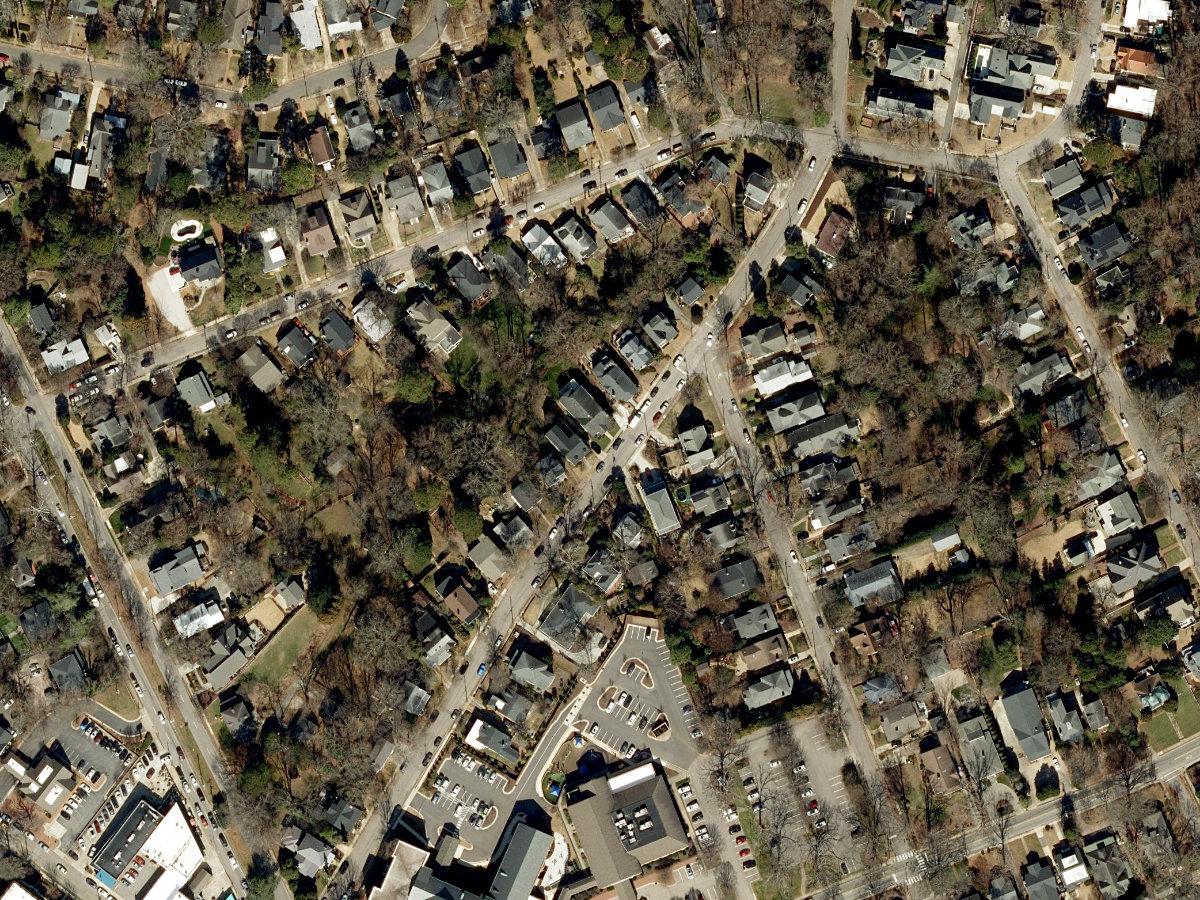
Canopy
28%
Lawn
52%
Hard surface
20%
North Hills lot, Raleigh, NC
Habitat score
34
Turf and hard surface dominate. Start with a consult, not a $12k install.
Zone 8a · Southeastern Plains / Piedmont
~46 in rain · 230 frost-free days
A typical Triangle subdivision: large turf rectangles, driveways, a few shade trees, and almost no understory. One lot has a pool. The canopy is street trees and backyard specimens, not a connected woodlot.
This is doable
You do not have to redo the whole yard. One consult, one native strip, and a mow edge this season is a finished-looking habitat. That is a real corridor, and it is doable on a Saturday-plus-a-specialist budget.
Wildlife still using this ecoregion
Who is under pressure, who pollinates, and who is already on this block. Plant for these animals — not a catalog mix from another state.
Under threat
Monarch
Declining. Butterflyweed and swamp milkweed on clay are the host plants that actually work here.
Under threat
Little brown and tricolored bats
White-nose syndrome hit both. No broadcast insecticide. Night insects need a plant layer, not just a box.
Under threat
Eastern meadowlark
Grassland bird in steep decline. A native grass strip is closer to what they used than a lawn.
Pollinator
Common eastern bumble bee
The workhorse. Consecutive bloom from redbud through asters keeps a colony going.
Pollinator
Native bees (sweat bees, mason bees)
Most nest in soil or stems. Leave a bare sunny patch and skip mulch everywhere.
Native
Northern cardinal & Carolina wren
Already on this block. Fruiting shrubs and a messy edge keep them nesting, not just visiting a feeder.
Soil
Piedmont clay with sandy pockets on old stream terraces
Clay holds water and heat. A shallow rain garden at one downspout is usually enough. Avoid deep excavation. Plants listed for clay will outperform anything sold for ‘improved soil.’
Weather and zone
USDA 8a · Southeastern Plains / Piedmont
USDA 8a, about 230 frost-free days, ~46 inches of rain. Summers are long and humid; fall planting (September–mid-October) is the kindest window for roots.
Shade and canopy
Mixed light. Specimen trees throw afternoon shade; the middle of the lawn is still full sun for six or more hours.
Direction of sunlight
Satellite stills can’t replace a compass on site, but roofs and tree shadows usually put the longest sun on the south and west sides of the house. North of the foundation stays cooler and damper — a good place for ferns and sedges, not milkweed.
Do this first
Book a 90-minute consult this month. Leave with a score, a plant list, and one sunniest turf strip marked for conversion — not a full-yard quote.
Season
Fall planting window is open through mid-October. Book a consult now for a 2026 install.
Triangle HOAs pass a tended garden and fail a dumped meadow. Specify a mow strip on day one.
What is pressing on this lot
Turf as a simplified cover
This block is mostly lawn. Habitat is thin compared with even a 400-square-foot native strip that still looks finished from the street.
Fragmented canopy
Trees sit as specimens, not a corridor. Nest boxes and fruiting shrubs close that gap without waiting for a woodlot.
Stormwater on clay
Roofs dump onto compacted Piedmont clay. A shallow rain garden at one downspout is the first useful job. Lined water features stay off the list.
Already using this neighborhood
Recent iNaturalist records near the pin. Plant and nest for these, not a catalog mix.
Northern cardinal · Carolina chickadee · Eastern bluebird · American robin
Jobs that fit
- Step 1Habitat consultsWalk the lot, score habitat, and write a plant list the HOA will pass.
- Step 2Pollinator gardensConvert the sunniest turf strip to bloom succession that still looks tended.
- Step 3Rain gardensCatch a downspout in a shallow basin sized to this clay.
- Step 4Nest boxesSite boxes on the tree line, not the street.
Native plants worth putting in
Common in this ecoregion, available from native nurseries, and sized to a yard — not a restoration catalog.
- Echinacea purpureaSummer nectar, HOA-readableFall or spring
- Asclepias tuberosaMonarch host, dry claySpring
- Ilex verticillataWinter fruit for birdsFall
- Panicum virgatumStructure, not a meadow dumpFall
- Carex luridaRain-garden edge on wet clayFall
Ninety days
This week
Book a 90-minute consult this month. Leave with a score, a plant list, and one sunniest turf strip marked for conversion — not a full-yard quote.
This season
Pollinator gardens: Convert the sunniest turf strip to bloom succession that still looks tended.
Next season
Re-score after the first install. Add nest or feeding only once the plant layer is in.
Specialists for this work
Sample listings of launch-market independents who would take the jobs above. They invoice you. Wildlot collects a $25 introduction fee when you book. Next step: a habitat consult on the ground.
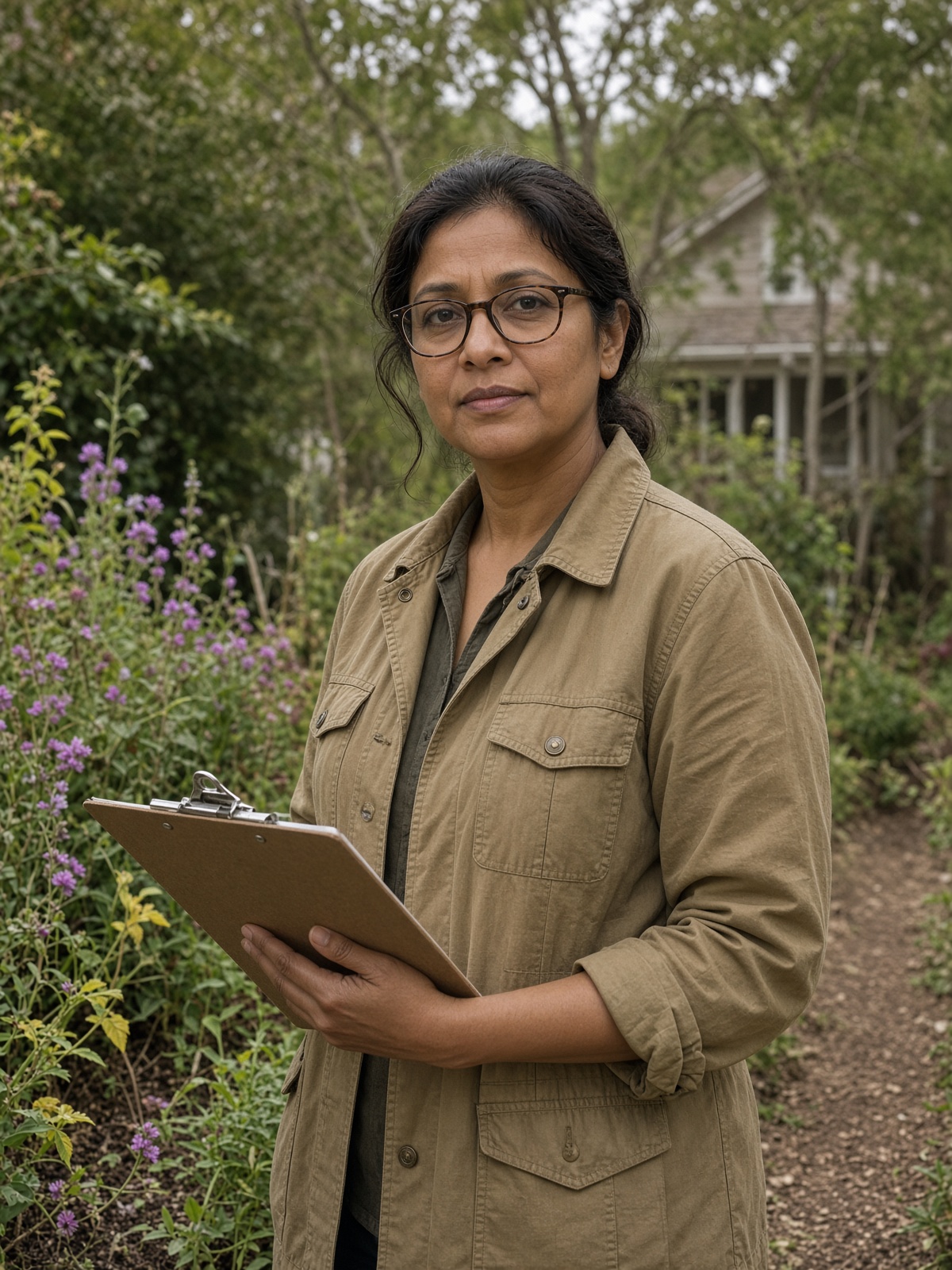
Priya Nair
VettedA plan before a planting.
From $150 · Next Wed, Sep 9
Sample listing. Specialist recruiting begins at funding. Names, ratings, and availability are placeholders.
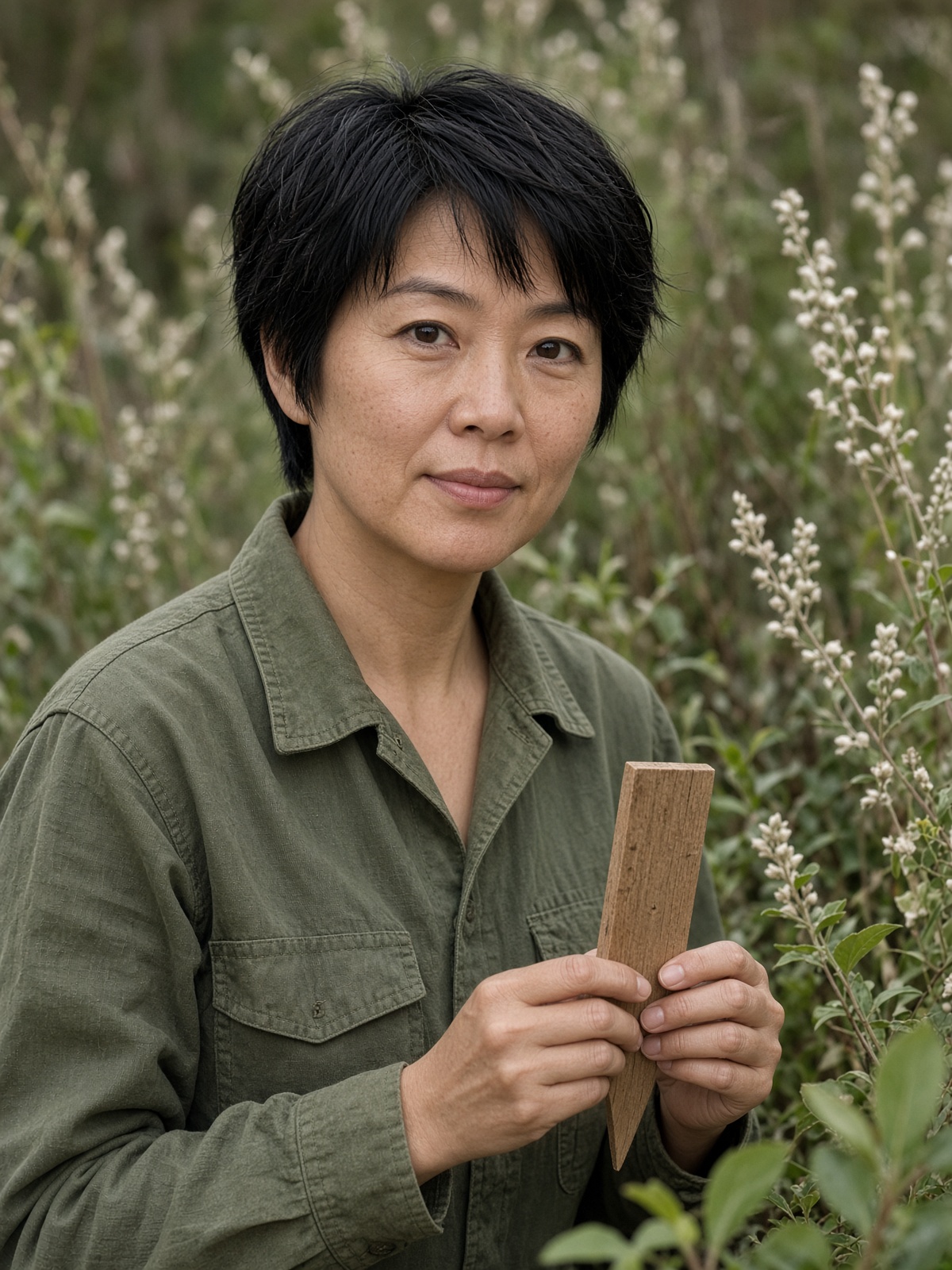
Maya Chen
VettedPiedmont natives, plant-by-plant, no catalog filler.
From $210 · Next Thu, Sep 17
Sample listing. Specialist recruiting begins at funding. Names, ratings, and availability are placeholders.
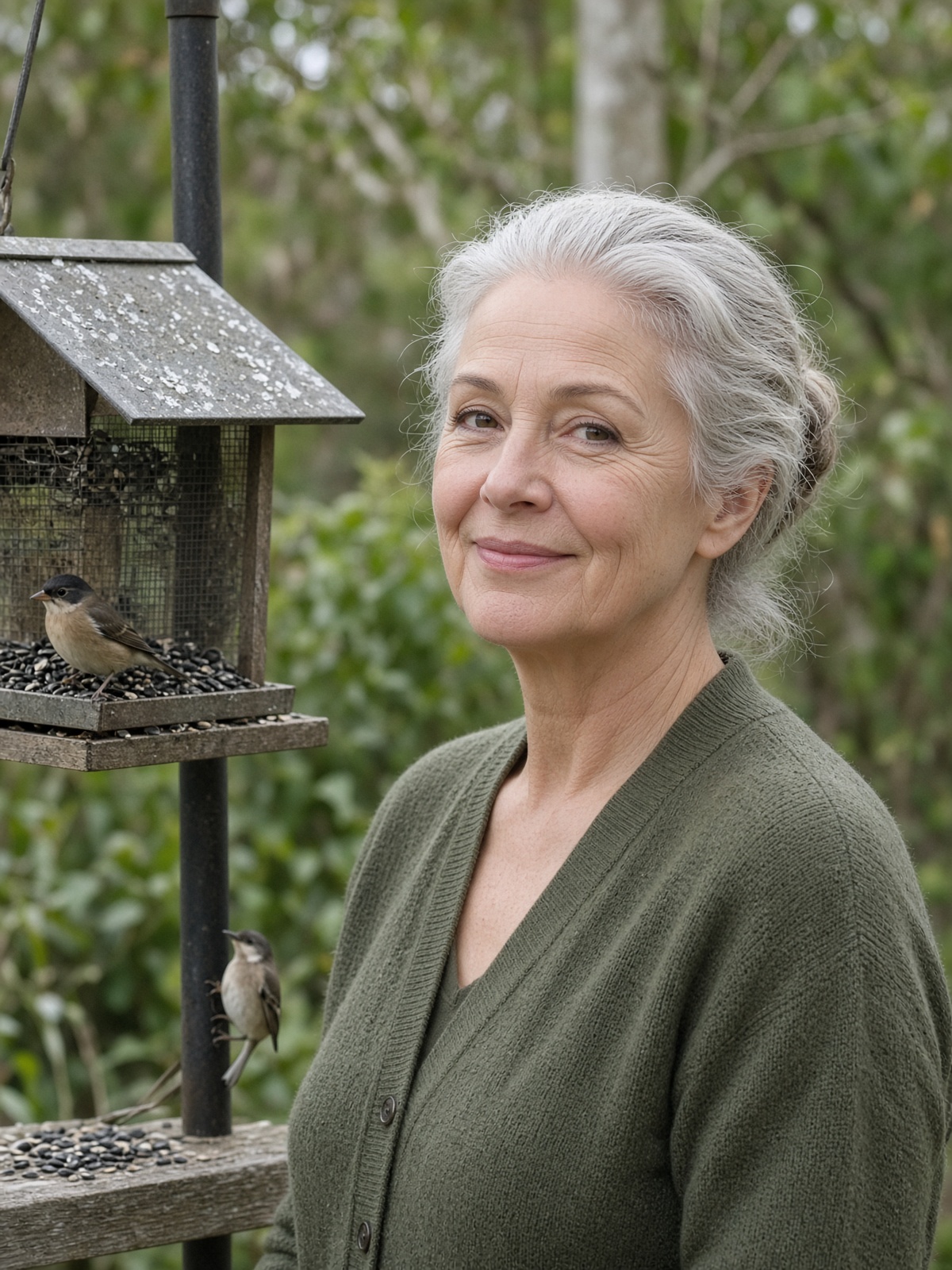
Helen Marsh
VettedFeeding stations that do not become rat hotels.
From $160 · Next Tomorrow
Sample listing. Specialist recruiting begins at funding. Names, ratings, and availability are placeholders.
Imagery: Esri World Imagery. Species: iNaturalist. Land-cover frame: Global Nature Watch. The $25 Yard Report is the first step. Then a habitat consult. Then an install.